Skip to content

Visit guide · launch edition

Plan a day among the treasuries

Medieval objects change with distance, light and the space around them: a page under glass, a reliquary in a dim treasury, a window read from the nave. These permanent-collection starting points link to the venue; confirm current display status before travelling.

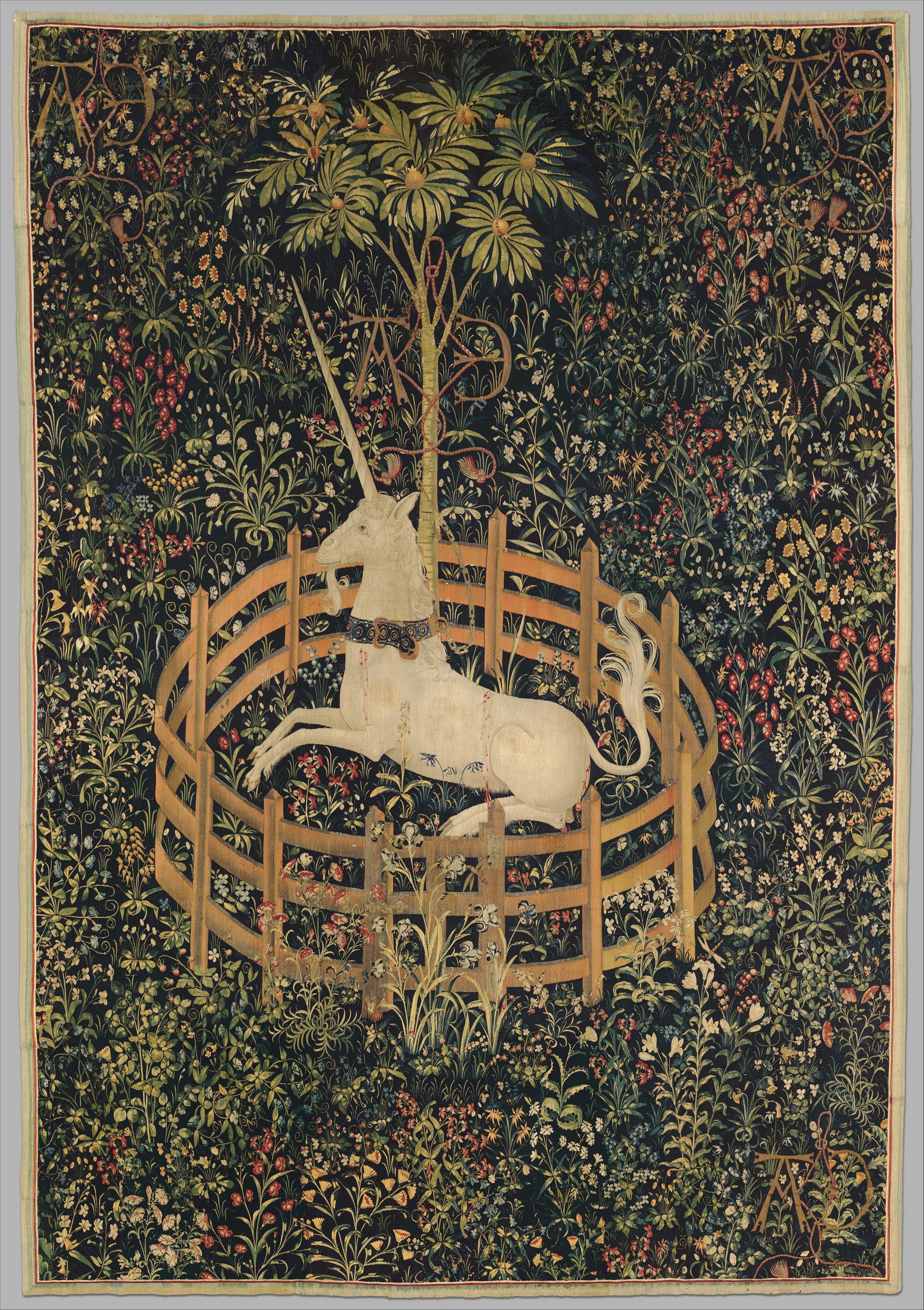
The Unicorn Rests in a Garden, one of the Unicorn Tapestries at The Met Cloisters

Permanent collection

1

The Met Cloisters

The Met’s branch for medieval art in Fort Tryon Park, built around elements of French cloisters. It houses the Unicorn Tapestries, the Hours of Jeanne d’Evreux and the Belles Heures, the Merode Altarpiece, and Romanesque and Gothic sculpture and stained glass.

The Metropolitan Museum of Art, New York

Ongoing — verify gallery status before visiting

Check venue record
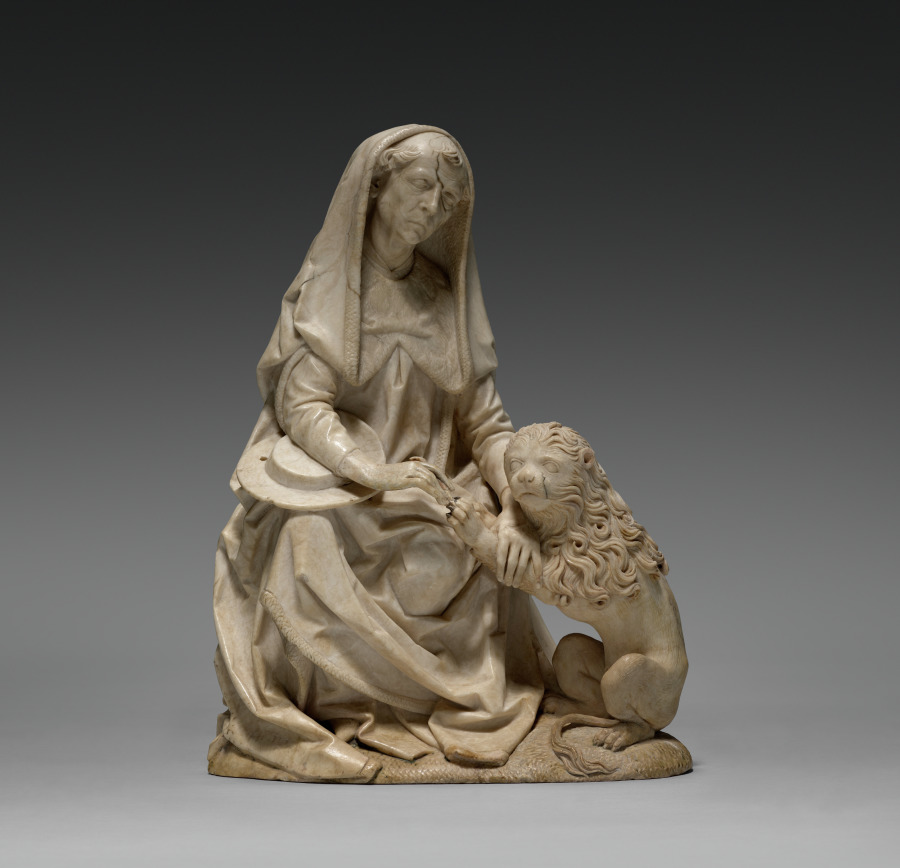
Riemenschneider’s alabaster Saint Jerome and the Lion

Permanent collection

2

Medieval art at the Cleveland Museum of Art

Cleveland’s medieval galleries include objects from the Guelph Treasure, Burgundian tomb sculpture from Dijon, Byzantine and Cretan icons, and a strong group of illuminated leaves. Riemenschneider’s Saint Jerome and the Lion and the mourners from the tomb of Philip the Bold are among the highlights. Admission to the permanent collection is free.

Cleveland Museum of Art, Cleveland

Ongoing — verify gallery status before visiting

Check venue record
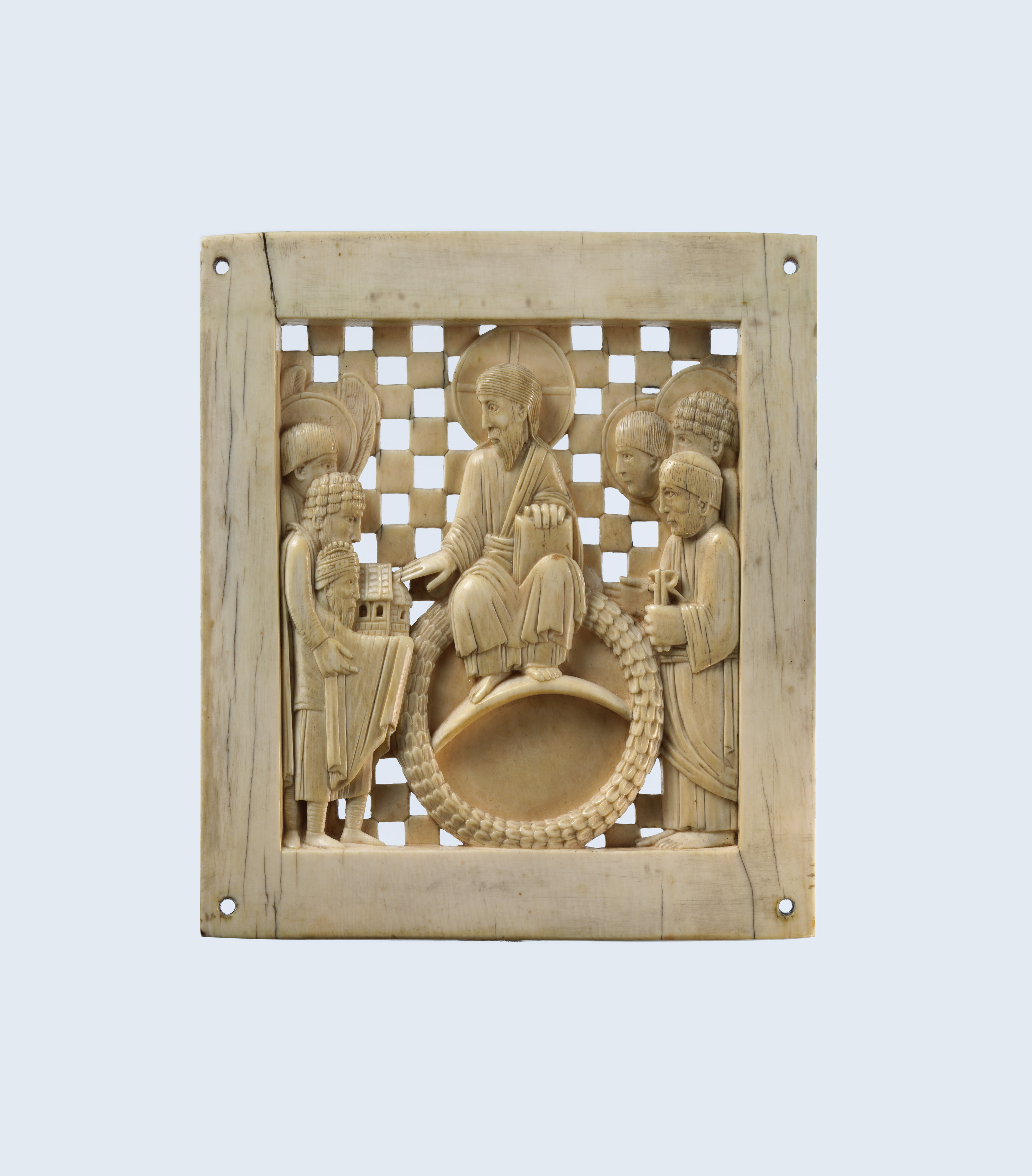
Ottonian ivory plaque of Otto I presenting Magdeburg Cathedral to Christ

Collection focus

3

Medieval galleries at The Met Fifth Avenue

The main building’s medieval galleries hold the Late Antique, Byzantine, Carolingian and Ottonian collections, including the Magdeburg ivory and the Chasse of Champagnat, while the early Italian gold-ground panels by Duccio, Giotto and Simone Martini hang in the European Paintings galleries upstairs.

The Metropolitan Museum of Art, New York

Ongoing — verify gallery status before visiting

Check venue record