Gothic
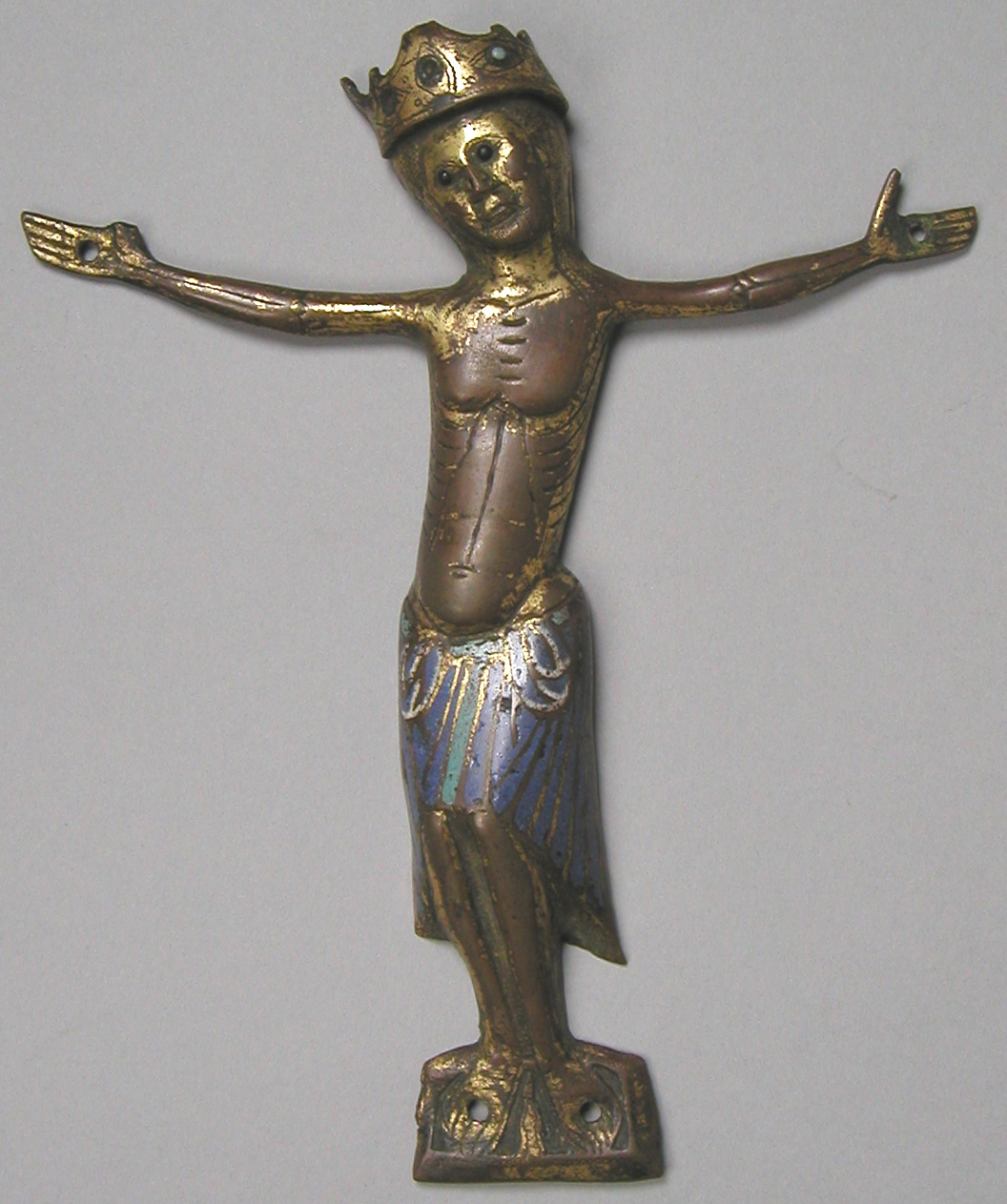
Appliqué Figure of Christ, Unknown maker
Open Access image · The Metropolitan Museum of Art
An illuminated guide · Folio I
Light through gold, glass and ink.
An illuminated guide to the art of the Middle Ages
Explore illuminated manuscripts, ivories, reliquaries, stained glass and altarpieces from the fourth century to the early sixteenth—through museum records, close looking, and the makers who shaped them.
Enter the collectionToday’s collection spotlight
Look closer. Every surface remembers a hand.
Our object pages bring collection records together with concise visual histories, material details, and direct links back to the museum source.
The Cloisters Collection, 1925
Gothic · Champlevé enamel and gilded copper
Appliqué Figure of Christ
Unknown maker
Appliqué Figure of Christ, dated 13th century, is catalogued by The Metropolitan Museum of Art as a work in Champlevé enamel and gilded copper. The API record does not identify a named maker. The recorded dimensions are Overall: Height: 8 3/4 x Width: 7 1/2 x 1 in. (22.2 x 19.1 x 2.6 cm). This factual page is generated from the museum catalogue and links directly to its source record.
- Date
- 13th century
- Material
- Champlevé enamel and gilded copper
- Scale
- Overall: Height: 8 3/4 x Width: 7 1/2 x 1 in. (22.2 x 19.1 x 2.6 cm)
The index
Start with a maker
Meet makers from across the collection, including newly added museum-linked profiles.
Late Gothic
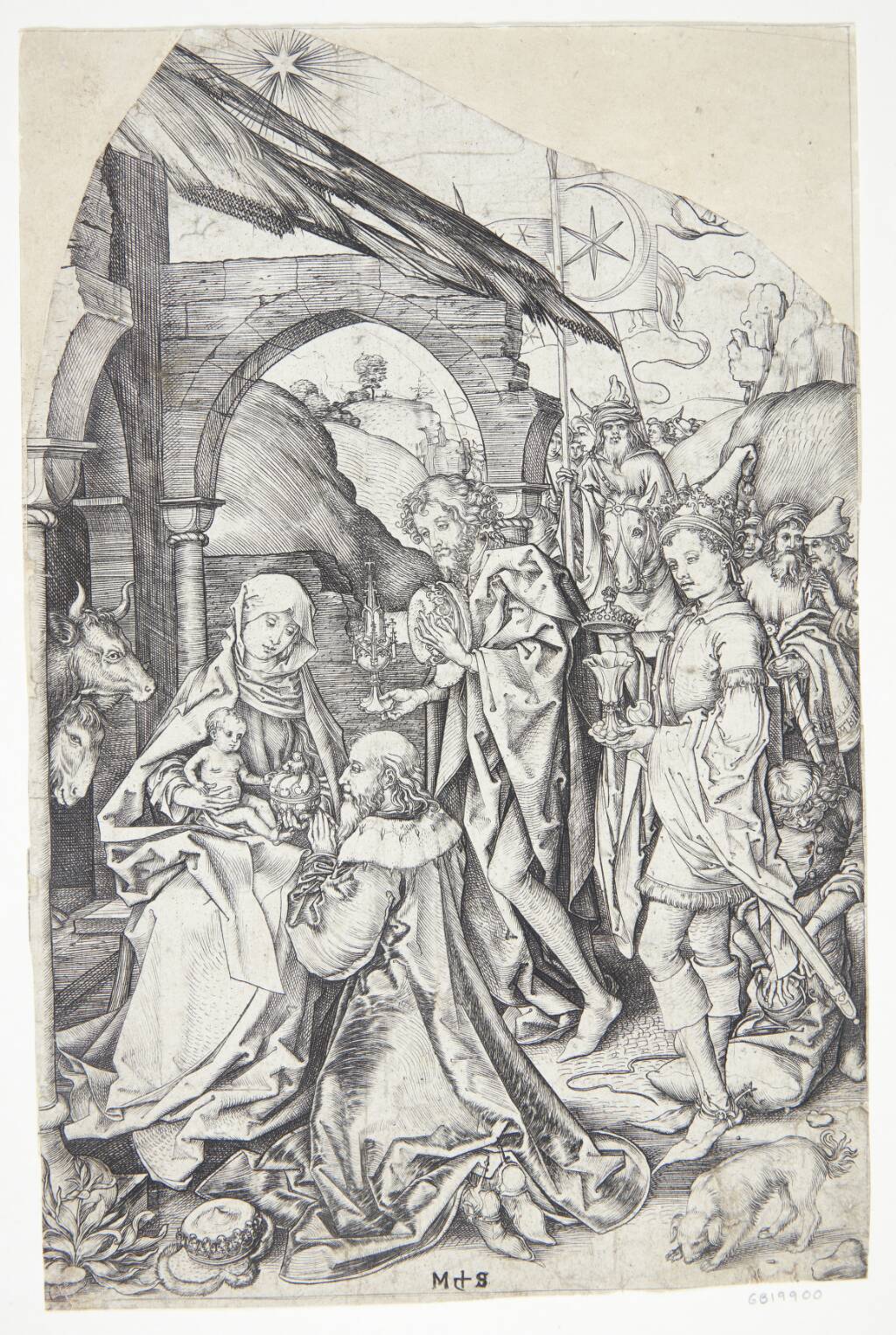
Martin Schongauer
German artist (c. 1450–1491).
Gothic
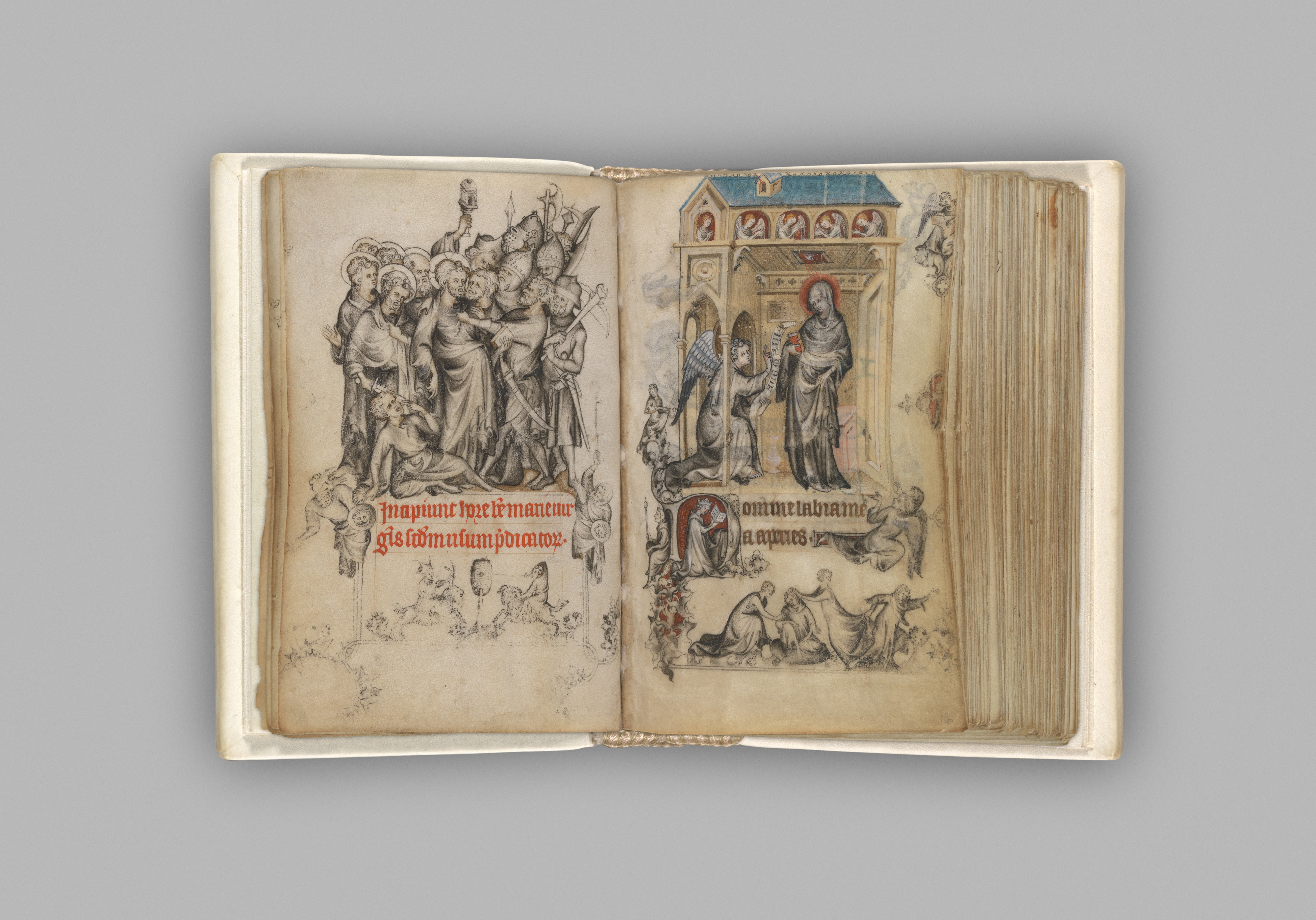
Jean Pucelle
A Parisian illuminator whose grisaille miniatures and inventive margins set the standard for French court books in the early fourteenth century.
International Gothic
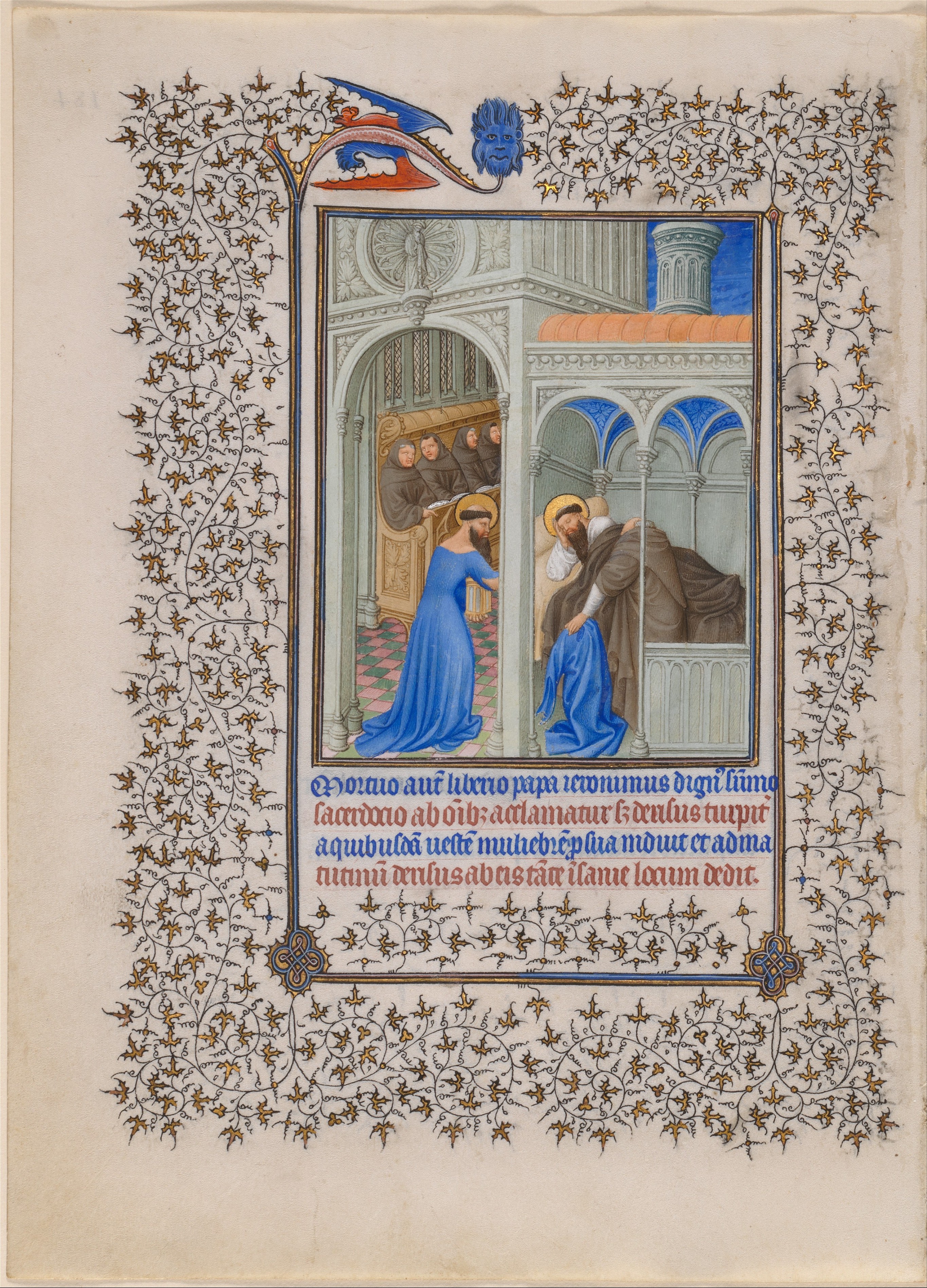
The Limbourg Brothers
Three brothers from Nijmegen whose books for Jean de Berry brought a new attention to landscape, weather and daily life into the illuminated page.
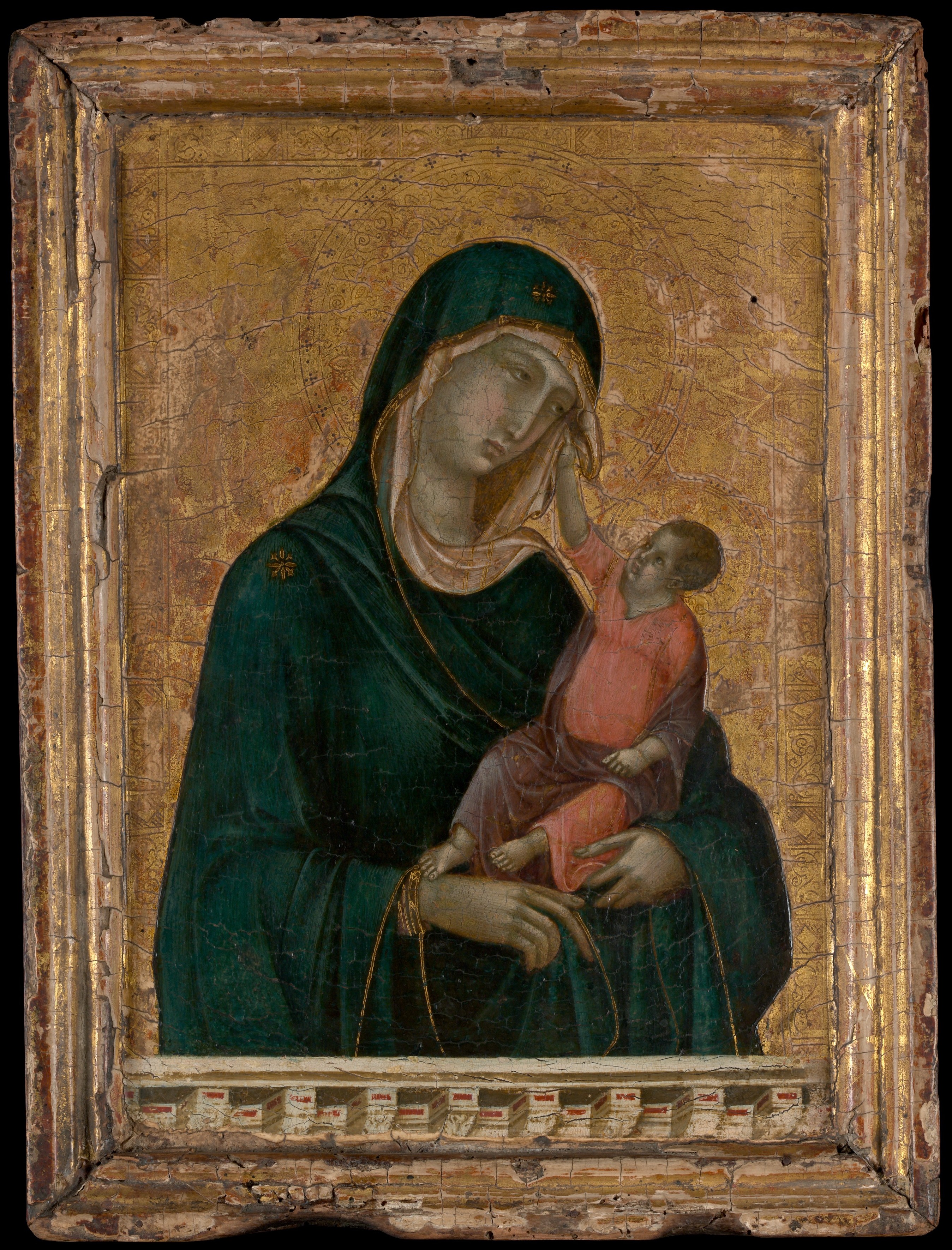
Gothic
Duccio di Buoninsegna
The founder of the Sienese school, who joined Byzantine gold-ground tradition to a new tenderness of gesture and expression.
History in objects
Across places and centuries.
An illustrated timeline of overlapping histories, from late antique workshops to the eve of the Reformation.
c. 300–600
Late Antique & Early Christian
The first Christian art did not invent a new visual language. It borrowed the figures, ornament and objects of the Roman world and gave them other things to say. A sea monster from classical myth could swallow Jonah; a shepherd carrying a lamb could become Christ.
c. 500–1453
Byzantium
For nearly a thousand years the empire ruled from Constantinople produced icons, ivories, enamels and mosaics for the Orthodox liturgy and the imperial court. After the disputes over images in the eighth and ninth centuries, the icon became central to devotion, and its conventions changed slowly and deliberately.
c. 600–900
Insular art
In the centuries after Roman rule ended in Britain, the peoples of Britain and Ireland developed an art of interlace, animal ornament and jewelled metalwork. Its most famous survivals are gospel books such as the Lindisfarne Gospels and the Book of Kells, but the same taste for pattern shows in objects worn on the body.
c. 750–900
Carolingian renewal
Charlemagne, crowned emperor in Rome in 800, gathered scholars and artists at his palace at Aachen and set them to recover the learning and the visual forms of Christian antiquity. Manuscripts, ivories and metalwork from his court and its successors look back to late Roman models with new confidence.
c. 950–1050
Ottonian splendour
The Saxon emperors of the tenth and eleventh centuries, beginning with Otto I in 962, used art to bind their new empire to Rome, to Charlemagne and to Byzantium. Bishops and abbots close to the court commissioned ivories, gospel books and goldsmiths’ work of great ambition.
c. 1000–1200
Romanesque
The eleventh and twelfth centuries saw churches rise across Europe along the pilgrimage roads and around the great monasteries. Carved portals and capitals, wooden cult statues and enamelled reliquaries gave these buildings faces, and the objects in this chapter were all made to be seen in them.
c. 900–1300
Crossroads: Iberia, Sicily & the Crusader east
Medieval art did not stop at the borders of Latin Christendom. In Spain, in Norman Sicily and in the Crusader states of the eastern Mediterranean, Christian, Muslim and Jewish makers and patrons lived close together, and objects show the results: silks with Arabic inscriptions, churches with mosaics in the Byzantine manner, manuscripts whose colour belongs to more than one tradition.
c. 1140–1300
The Gothic cathedral
From the rebuilding of the abbey church of Saint-Denis in the 1140s, architects in the Île-de-France used pointed arches, rib vaults and flying buttresses to open walls and fill them with coloured glass. Chartres, Reims, Amiens and the Sainte-Chapelle followed within a century, and the style spread across Europe.
Across the collections
Different places. Shared devotion.
Latest publication: 13 September 2026. A rotating selection across museum countries; browse the index for every new arrival.
Material intelligence
How the work is made
Follow an object from vellum, ivory, glass or gold leaf through the decisions that give it presence.
Manuscript illumination
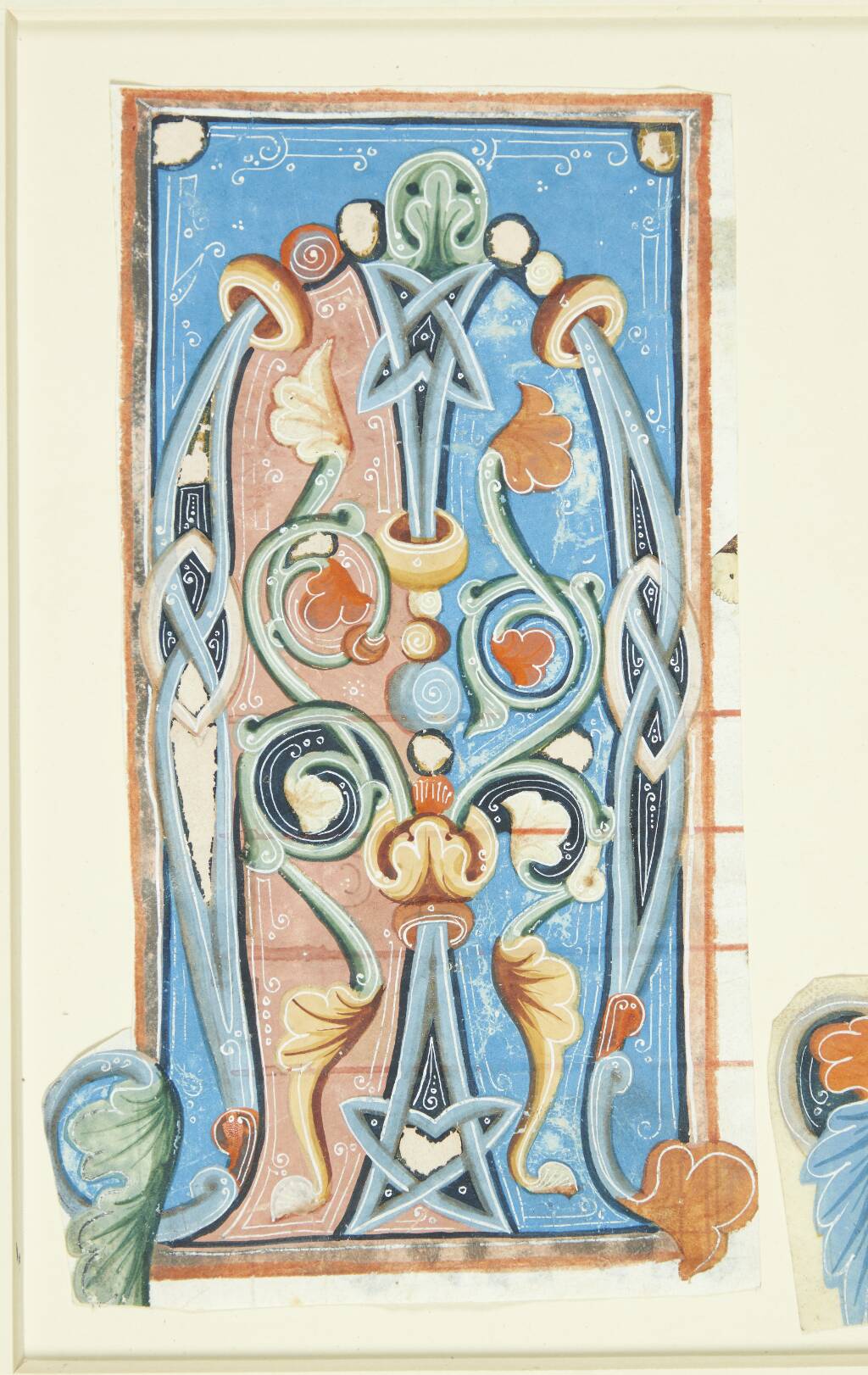
Painting and gilding on prepared animal skin, page by page, in books made by hand.
Learn the processIvory carving
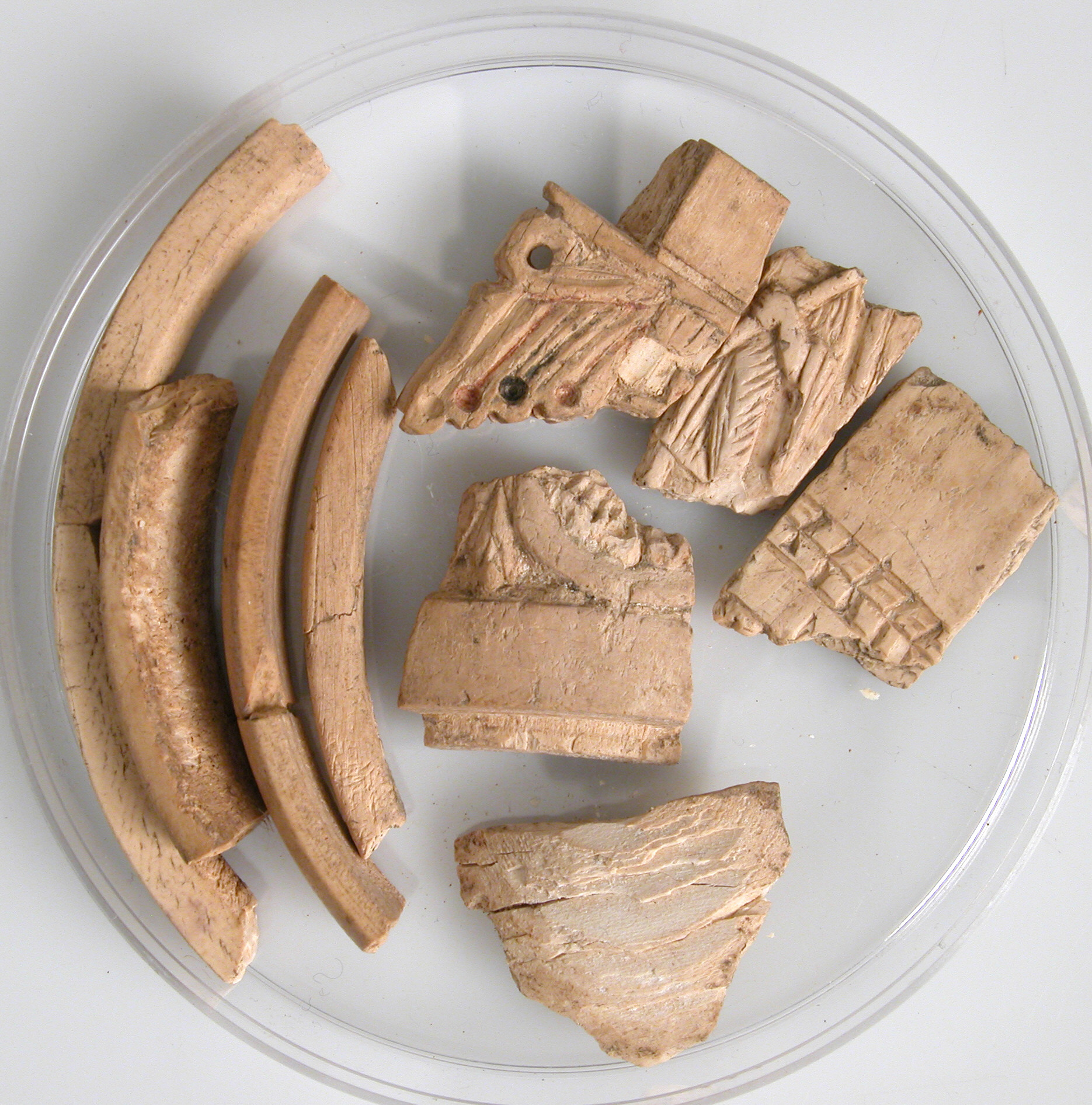
Relief cut into elephant tusk for book covers, icons, caskets and mirror cases.
Learn the processChamplevé enamel
Glass fused into cells cut from a copper plate, then gilded, as practised at Limoges.
Learn the processThe journal
Stories behind the surface
Daily museum-record briefs and source-led essays exploring objects, materials, and their histories.
Museum record brief
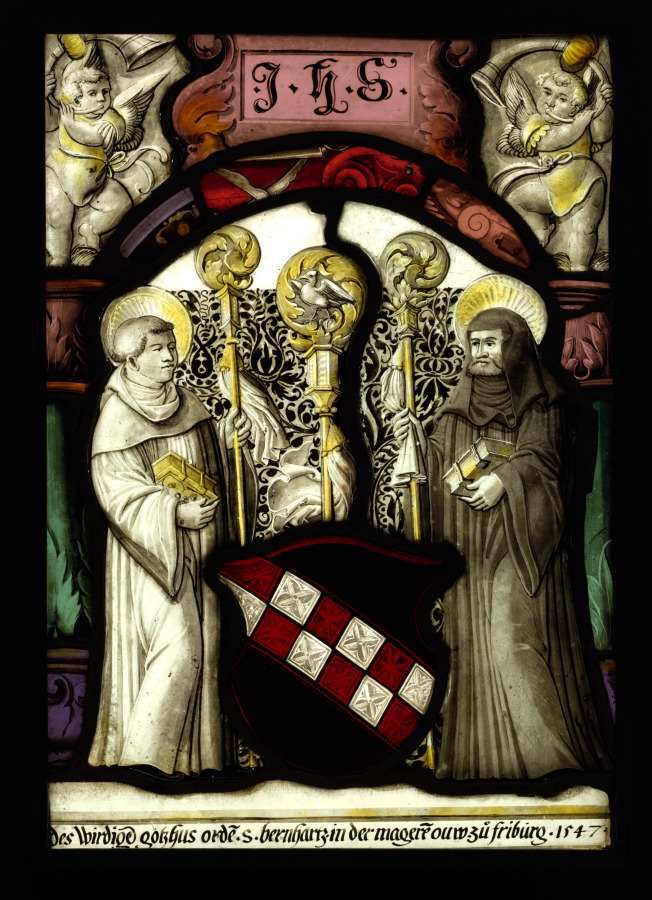
From the collection: Arms of the Cistercian Order
Discover Arms of the Cistercian Order in the Cleveland Museum of Art collection, through its recorded maker, date and materials.
13 September 2026 · 2 min read
Museum record brief
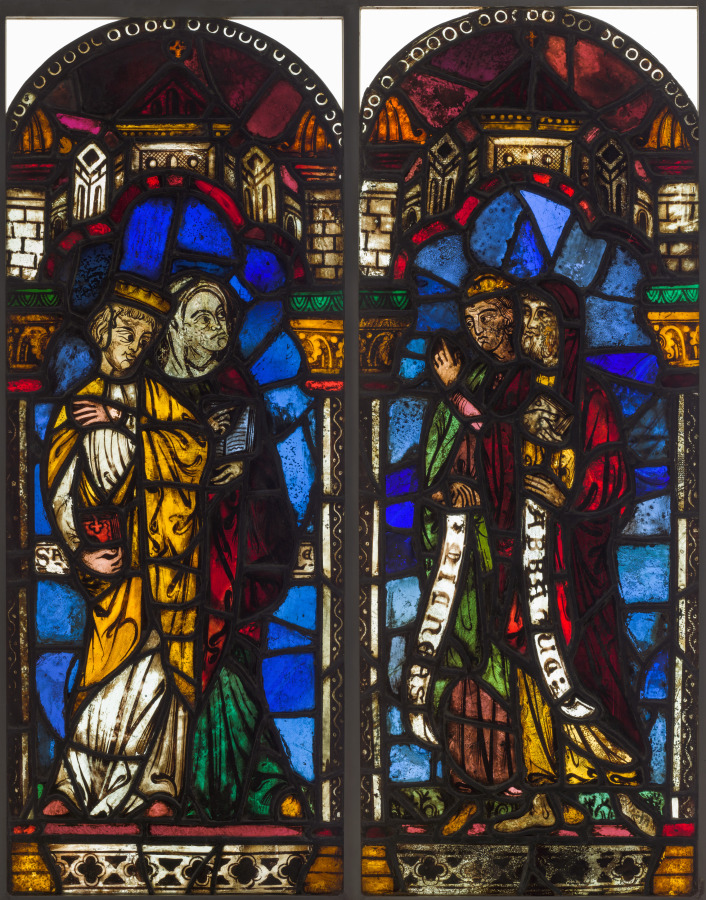
From the collection: Panels
Discover Panels in the Cleveland Museum of Art collection, through its recorded maker, date and materials.
12 September 2026 · 2 min read
Museum record brief
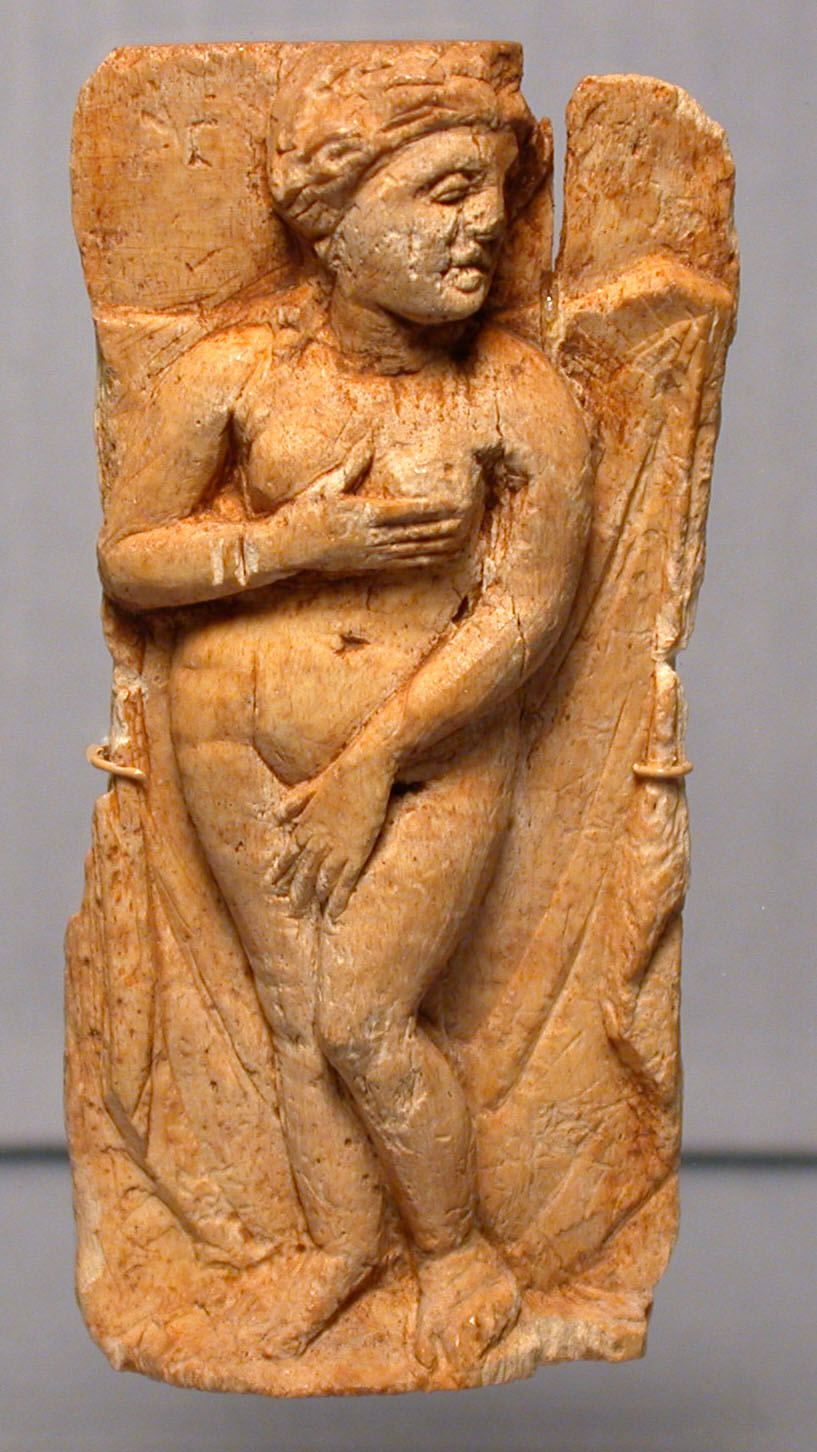
From the collection: Panel of Venus, “Pudica Type”
Discover Panel of Venus, “Pudica Type” in the The Metropolitan Museum of Art collection, through its recorded maker, date and materials.
11 September 2026 · 2 min read
See it in person
Plan a day among the treasuries
Launch listings focus on permanent collections and link directly to the venue. Always confirm display status before visiting.
Permanent collection
The Met Cloisters
The Metropolitan Museum of Art · New York
Venue record
Permanent collection
Medieval art at the Cleveland Museum of Art
Cleveland Museum of Art · Cleveland
Venue record
Collection focus
Medieval galleries at The Met Fifth Avenue
The Metropolitan Museum of Art · New York
Venue record